
Field botanist praises CSC’s High Plains Herbarium
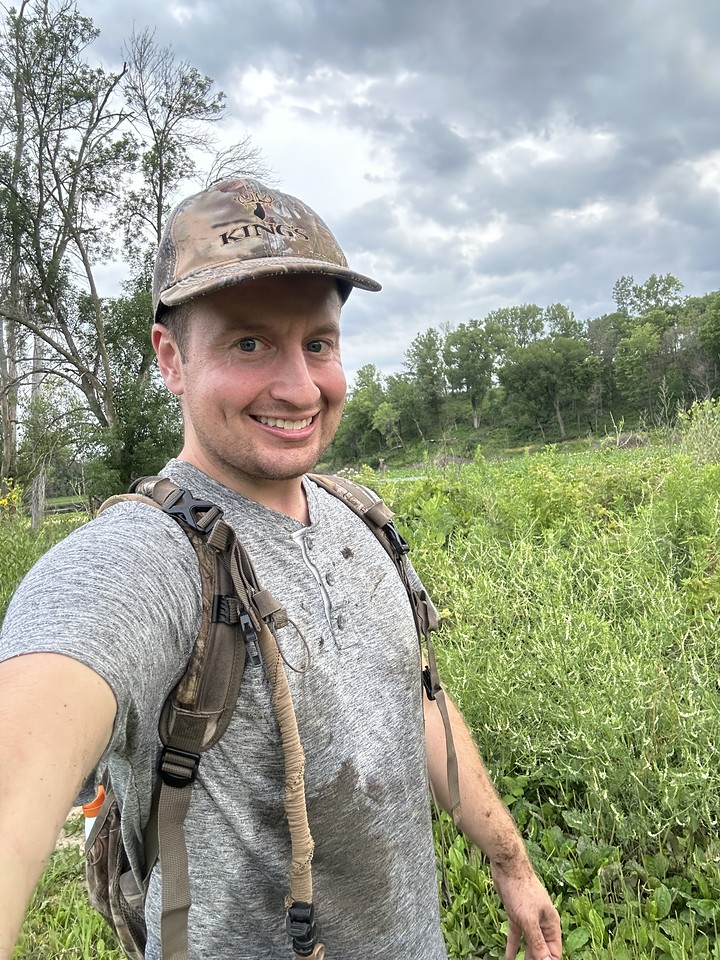
CHADRON – Drew Granville, an adjunct professor at Bellevue University and a field botanist who works on contract with the Lauritzen Gardens Conservation Program and the Nebraska Game and Parks Commission, recently visited the High Plains Herbarium at CSC as part of the final stages of developing a comprehensive field guide.
His stay was the latest of multiple visits to Chadron working with Steven Rolfsmeier, director of the herbarium, as part developing a 1,000+ page book about rare native plants in Nebraska.
Granville said what originally drew him to the High Plains Herbarium was searching for records from the Nebraska sandhills so he could photograph the plants for his field guide.
“Steven got me connected to the Consortium of Great Plains Herbaria database to follow up on decades of his and Robert Steinauer's rare plant records across Nebraska, especially in the sandhills so I could relocate the records and photograph them,” Granville said.
Granville and Rolfsmeier have been discussing plant identification and taxonomic changes for several years.
“Drew first contacted me at the beginning of 2022 regarding an orchid I’d collected in the sandhills in 1997, and we’ve been in regular contact ever since. Drew is an outstanding, extremely focused, self-trained botanist who I am convinced will make many important contributions to Nebraska botany in the years to come,” Rolfsmeier said.
Granville said he discovered three new native species previously unknown to Nebraska through his extensive travels. In 2021, he discovered a new large population of state endangered white lady’s slipper orchids. There are only between 1,000 to 2,000 of these plants left in Nebraska, according to Granville.
“Steven had observed this prairie where the orchids were present in the 1990s and advocated the Audubon Society to acquire the property as he saw the potential in it. If he hadn’t done that, the orchids and other rare species on the property would have never come back as the prairie had been under poor management,” Granville said.
He said herbariums are valuable for DNA work, having an official record to understand a species range in a state, tracking environmental shifts such as changes in flowering times due to climate change, and to follow up to see if plants are still present at sites.
“Smaller herbaria, such as the one at CSC, are invaluable for superior regional representation and expert knowledge of local flora particularly with rare, non-duplicated plant records,” Granville said. “Steven Rolfsmeier’s and Robert Steinauer's work over the decades has been invaluable for making numerous rare plant discoveries in Nebraska. I would never have been able to find these plants if it wasn’t for the CSC records with precise GPS coordinates.”
Granville has currently photographed 977 native plant species in eastern and central Nebraska and plans for the final number to reach about 1,150.
Category: Physical and Life Sciences